Post-Handover Payment Plans in Dubai: A Smart Strategy for Real Estate Investors in 2026
Insights on Dubai’s Real Estate Market and New Developments
This flexible financing approach significantly reduces upfront capital requirements and enables investors to generate rental income while still completing installments. In 2026, post-handover payment plans in Dubai remain one of the strongest competitive advantages of the emirate’s real estate market.
What Is a Post-Handover Payment Plan in Dubai?
A post-handover payment plan is a developer-offered financing structure where a portion of the property price is paid after the project is completed and handed over.
Typical structure:
-
10–20% on booking
-
30–40% during construction
-
40–50% payable after handover over 2–3 years
This allows investors to secure property ownership with lower immediate capital exposure compared to traditional mortgage markets.
For investors exploring structured entry into Dubai property investment, our advisory team provides project selection and ROI modeling support:
👉 https://nomapropertiesgroup.com/pl/
Why Post-Handover Plans Are Attractive to Investors
Lower Capital Commitment
Unlike many global real estate markets where full payment or mortgage approval is required upfront, Dubai developers offer structured payment schedules that improve liquidity management.
Investors can allocate capital across multiple properties instead of locking funds into a single asset.
Rental Income During Installments
One of the biggest advantages of post-handover payment plans in Dubai is the ability to generate rental income while still paying installments.
In high-demand districts, rental yields in Dubai can partially or fully offset payment obligations.
Portfolio Scaling Opportunities
Flexible payment structures allow investors to scale their Dubai real estate portfolio more efficiently. By reducing upfront costs, investors can diversify across locations, developers and property types.
Best Property Types for Post-Handover Investment
Mid-Market Apartments
Units in well-connected residential communities often offer the strongest balance between affordability and rental demand.
Waterfront Developments
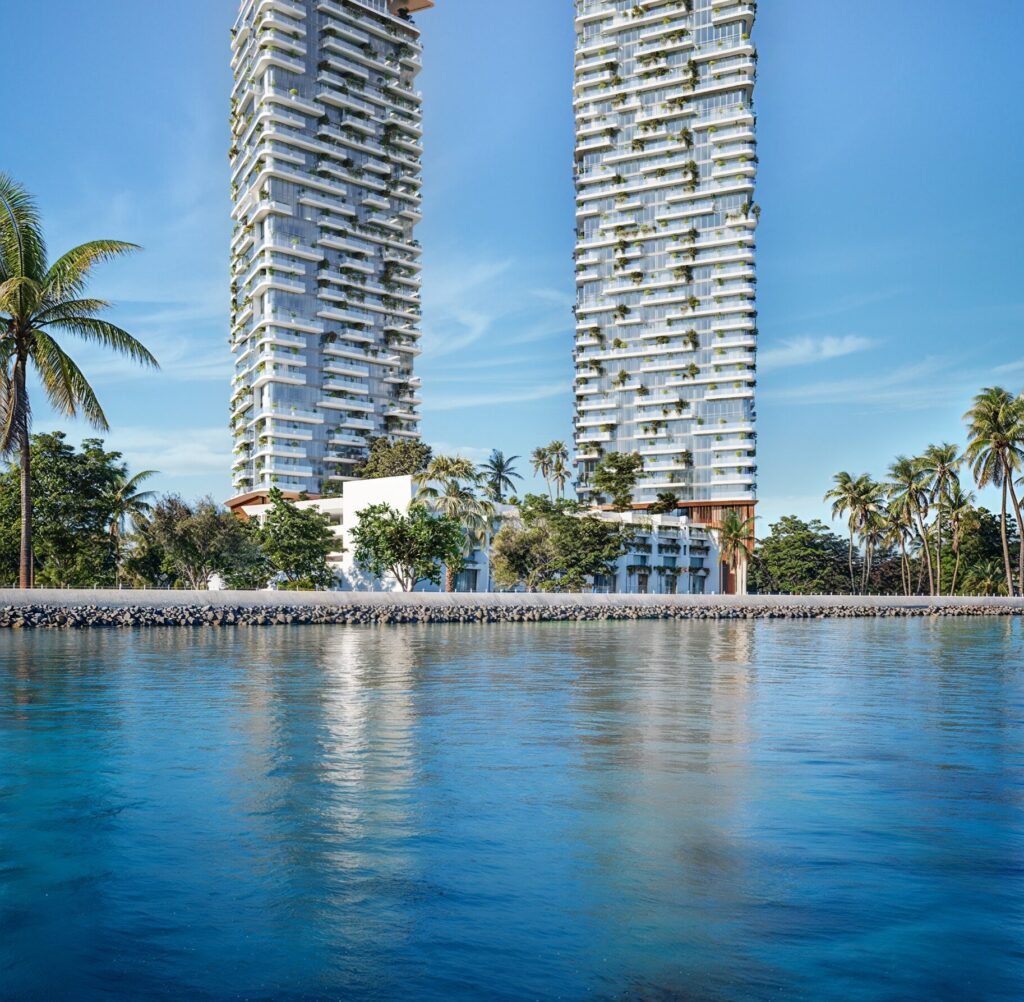
Waterfront real estate continues to attract strong tenant interest. Early entry into off-plan properties Dubai in emerging coastal districts may deliver both income and appreciation.
Branded Residences
Some developers offer post-handover plans even in luxury real estate Dubai segments. These projects often benefit from premium positioning and strong resale liquidity.
“With over four decades of experience, Sobha Realty has transformed from a regional interior design company into one of the world’s most respected and trusted luxury real estate developers. “
Risk Considerations
Although Dubai property investment remains attractive, investors should evaluate:
-
Developer credibility and delivery history
-
Service charge levels
-
Rental demand sustainability
-
Market supply pipeline
Professional advisory significantly reduces exposure to underperforming projects.
Explore our latest Dubai real estate market insights here:
👉 https://nomapropertiesgroup.com/media/
Comparing Post-Handover Plans with Mortgages
Traditional mortgage financing requires credit checks, interest payments and significant down payments. Post-handover plans eliminate many of these barriers.
Key differences:
Post-handover plans
-
No bank approval required
-
Structured developer installments
-
Rental income potential before full payment
Mortgage financing
-
Interest exposure
-
Lending criteria
-
Currency risk for foreign investors
For many international buyers, post-handover payment plans offer a simpler and more flexible route into Dubai real estate.
Capital Appreciation Potential
Properties purchased during early launch phases may appreciate during construction. Investors using post-handover payment plans benefit from market growth while spreading financial commitments over time.
Dubai’s long-term infrastructure expansion continues to support property value growth across multiple districts.
Residency and Investment Strategy
Investors purchasing property worth AED 2 million or more may qualify for the Golden Visa UAE property route, combining residency benefits with real estate ownership.
This makes Dubai property investment not only a financial decision but also a lifestyle and mobility strategy.
Conclusion
Post-handover payment plans in Dubai remain one of the most powerful tools for real estate investors in 2026. Flexible structures, rental income potential and strong market fundamentals make this approach highly attractive for international buyers seeking both cash flow and capital appreciation.
FAQ
Are post-handover payment plans common in Dubai?
Yes. Many developers offer structured plans allowing payments after property completion.
Can rental income cover installments?
In strong rental areas, income can partially or fully offset payments.
Do foreigners qualify for post-handover plans?
Yes. International investors can access developer payment plans without local banking requirements.


You May Also Like


How to Buy Property in the Dominican Republic | Step-by-Step Guide for Investors


Apartments in the Dominican Republic - Rental Income and Passive Investment


Property for Sale in the Dominican Republic - Market Trends


Real Estate in the Dominican Republic — A Strategic Investment in a Growing Caribbean Market
Post-Handover Payment Plans in Dubai: A Smart Strategy for Real Estate Investors in 2026